
Psychoanalysis and psychotherapy: one family, different houses
When people look for help, the word they most often type into a search bar is “psychotherapy”. “Psychoanalysis” sounds old-fashioned to them, a little foreign, something from films with a couch. Yet between these two words there is a relationship worth understanding before you choose whom to turn to, because the difference lies not in the label but in what is expected from the conversation.
An older word, a younger practice
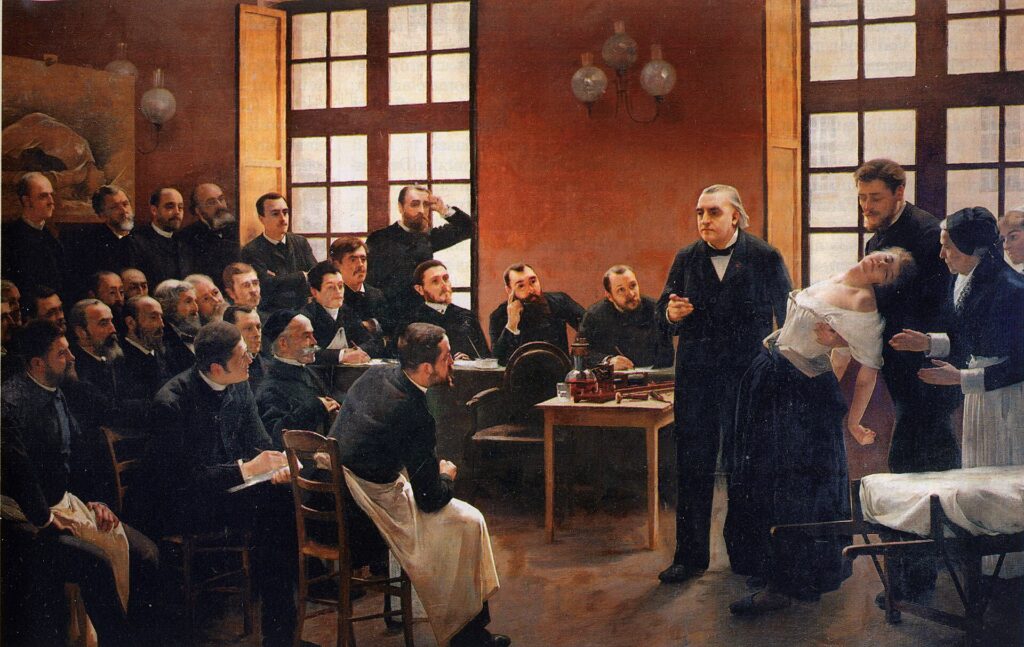
The word psychotherapy is older than psychoanalysis. At the end of the nineteenth century, doctors in France, the Netherlands and Germany used it for treatment by suggestion and hypnosis: the doctor put the patient to sleep and ordered the symptom to disappear. Freud began in exactly this way. He soon noticed, however, that a symptom removed by command tends to return, and that his patients had a great deal to say when nobody put them to sleep. One of them, a patient of his colleague Breuer, called what they were doing “the talking cure”. Psychoanalysis grew out of that discovery. It began where the old psychotherapy stopped: instead of giving orders to the symptom, it began to listen to it.
The mother of many schools
Over the twentieth century, much of what we now call psychotherapy grew out of psychoanalysis. Many founders of schools now seen as its opposite began as psychoanalysts: Fritz Perls, founder of Gestalt therapy; Aaron Beck, founder of cognitive therapy; Albert Ellis, founder of rational emotive therapy; Eric Berne, founder of transactional analysis. Each of them took something from psychoanalysis and rebelled against something else. That is why the family of psychotherapies resembles any real family: the children have gone their separate ways and quarrel over the inheritance, but their features are still alike. Almost every contemporary psychotherapy, even when it does not say so, assumes what psychoanalysis was the first to put into words: that a person does not know everything about themselves, and that conversation changes things.
Psychoanalysis began where the old psychotherapy stopped: instead of giving orders to the symptom, it began to listen to it.
Where the difference lies
The difference between psychoanalysis and other forms of psychotherapy is not whether people talk, but what the talking is for. Many schools of psychotherapy have a clear goal set in advance: reduce the symptom, change the thought, learn the skill. That is legitimate, and it often helps. Psychoanalysis starts from a different question: what does the symptom do for the person, and why does it keep coming back? Writing about the future of his discipline, Freud described the difference with an image of two metals: the pure gold of analysis and the copper of direct suggestion. Today we would put it more gently. Some schools of psychotherapy work on what can be seen; psychoanalysis works on what produces it. Neither is always better. It depends on what a person is looking for.
How to choose
If you need quick relief from one clear symptom, there are forms of psychotherapy made precisely for that. If the same thing keeps coming back, in love, at work, in the family, and you are tired of relief that lasts only until the next time, it is worth looking towards psychoanalysis. Interactive psychoanalysis, which is what I practise, is a contemporary school within that tradition. It keeps psychoanalytic listening, but measures change not by insight, but by what holds up in life. In the end, what matters is not what an approach is called, but whether you understand what happens in it. So before you begin, ask whoever you turn to: what will we be doing, and how will we know it is helping?